Subject Leader: Mrs G Clark
Intent
Documents – Computing
| Computing Policies & Documents | Download |
| National Curriculum – Computing | Download |
| Progression in Computing | Download |
| Computing Long-Term Plan | Download |
At Applegarth, we believe that every child should become a confident, creative and responsible user of technology. Through our computing curriculum, pupils develop the knowledge, skills and understanding needed to use technology safely, purposefully and effectively in an ever-changing digital world.
Our curriculum is underpinned by our school values of Compassion, Courage and Collaboration. We encourage children to show compassion through respectful online behaviour and responsible digital citizenship, courage when solving problems, debugging programs and embracing new technologies, and collaboration when working together to create, share and evaluate digital content.
Through progressive learning in computer science, information technology and digital literacy, we equip pupils not only to use technology, but to understand and create it. By providing engaging, inclusive and meaningful learning experiences, we prepare children to be safe, responsible and successful participants in the digital world and for the next stage of their education.
Implementation

At Applegarth, computing is taught through a progressive curriculum that develops knowledge and skills in computer science, information technology and digital literacy. Lessons are delivered using high-quality resources from Teach Computing and are carefully sequenced to build on prior learning. Pupils have regular opportunities to develop computational thinking, programming and digital creativity through both discrete computing lessons and cross-curricular applications. Online safety is embedded throughout the curriculum, ensuring children learn how to use technology safely, respectfully and responsibly. Through the use of Chromebooks, iPads, programmable devices and digital platforms such as Google Classroom and Purple Mash, pupils apply their learning in meaningful contexts, work collaboratively and create purposeful digital content.
Impact
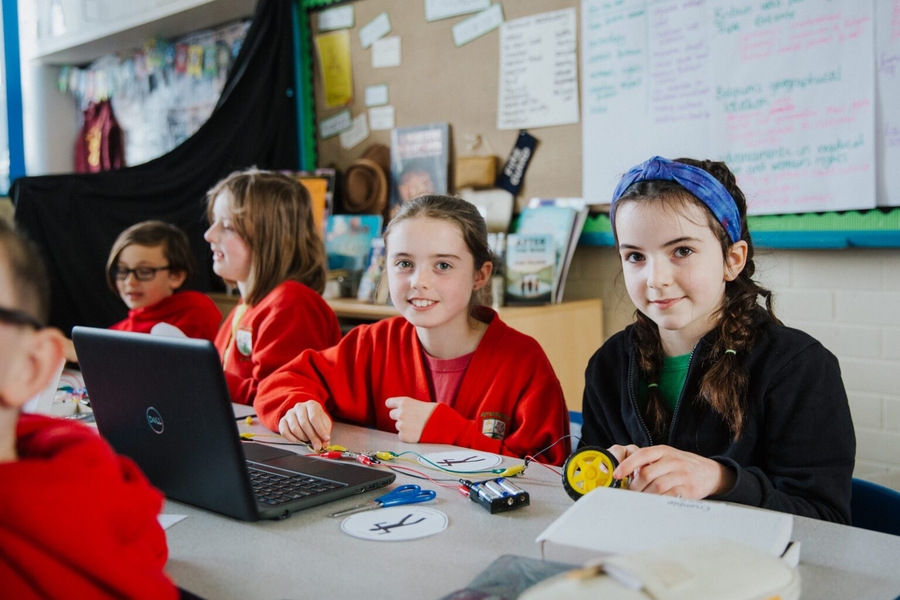
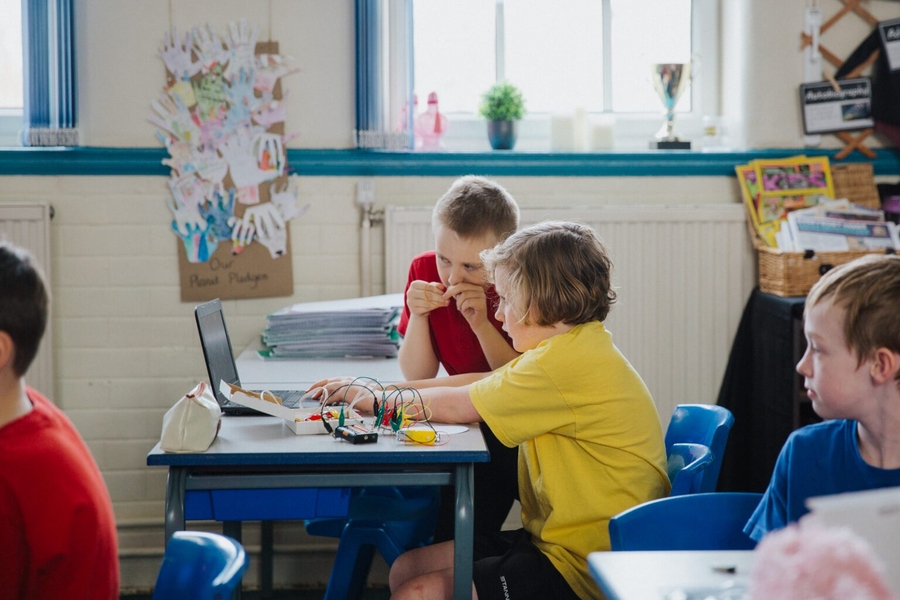
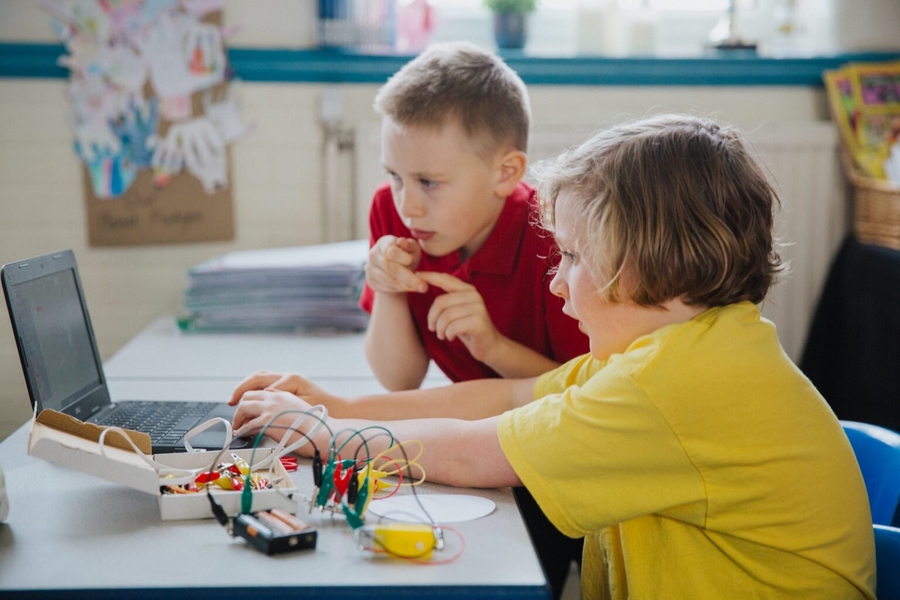
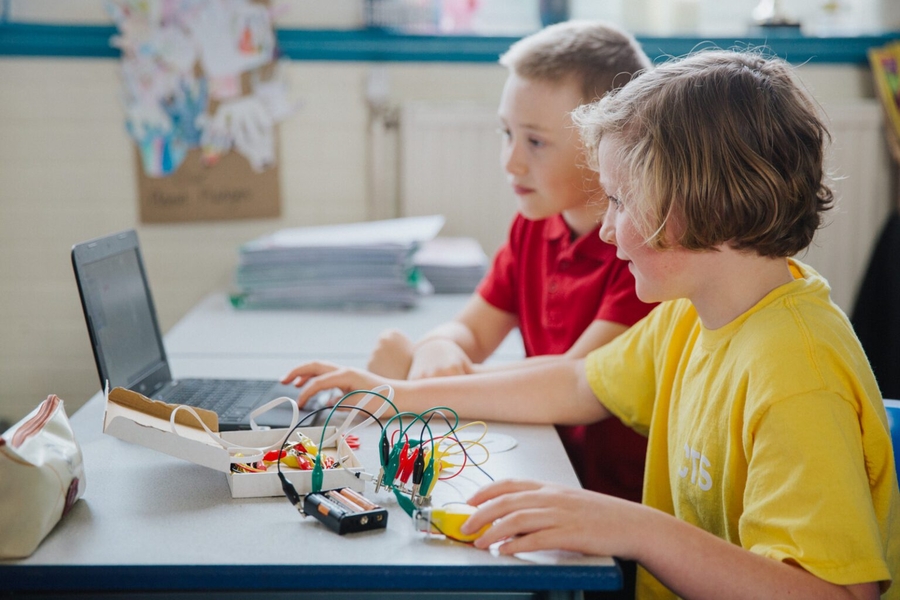
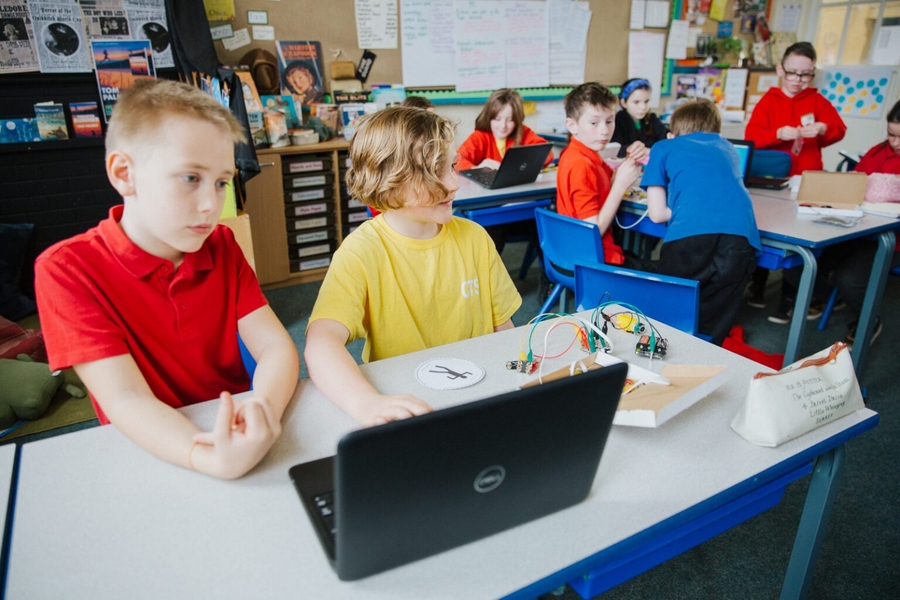
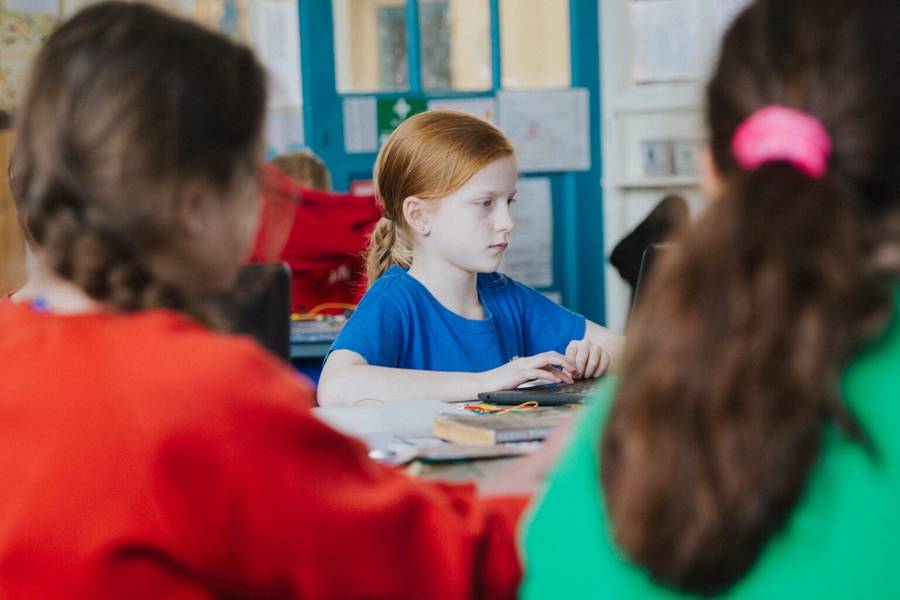

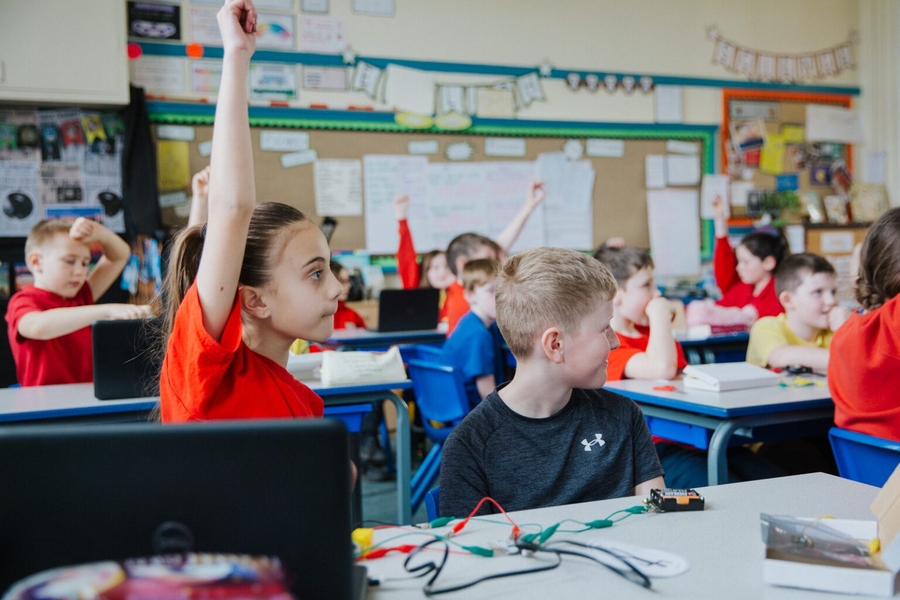
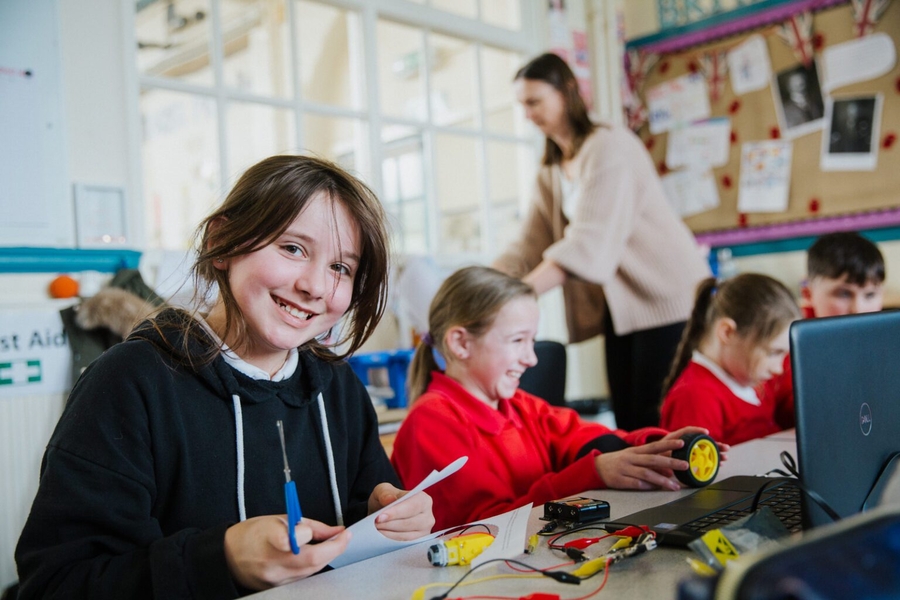
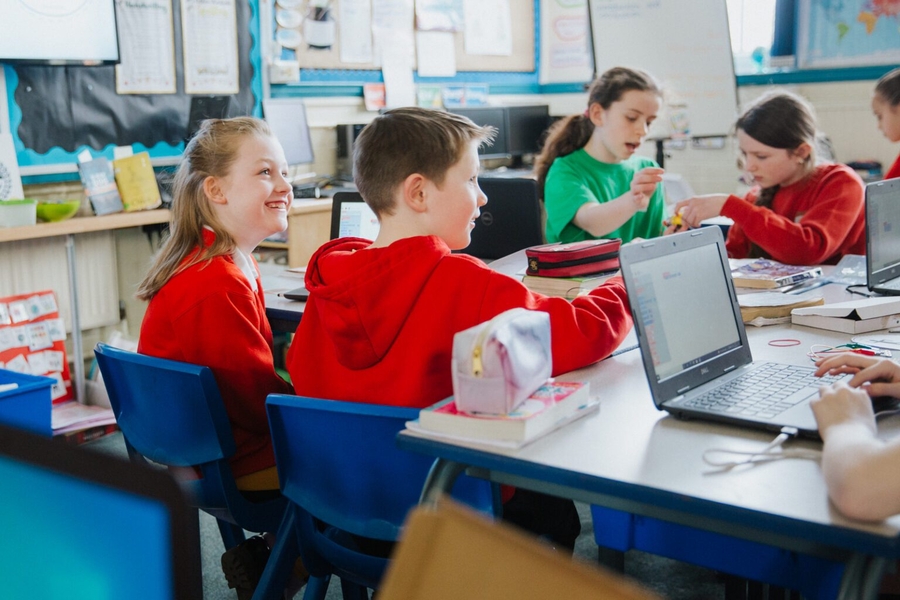
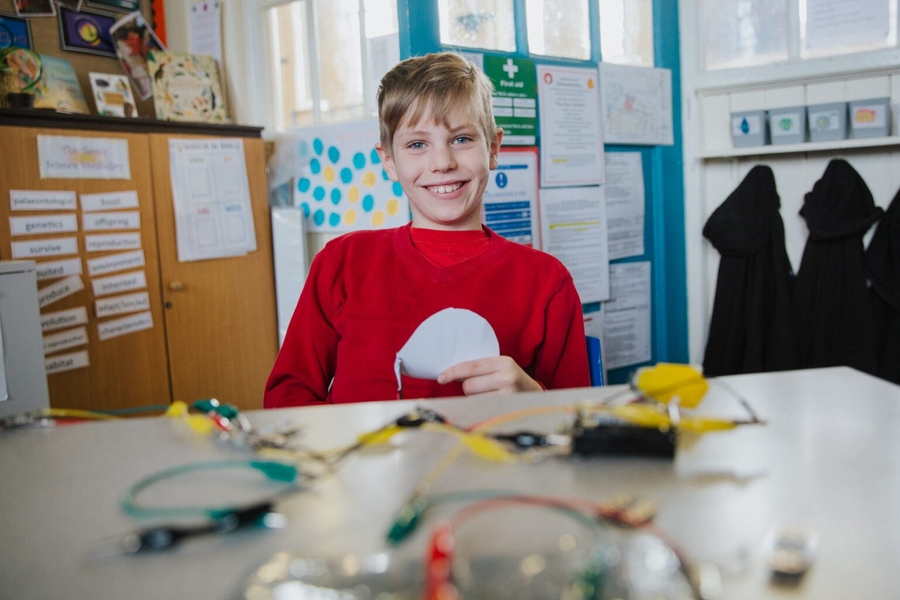
The impact of our computing curriculum is that pupils leave Applegarth as confident, capable and responsible users of technology. They demonstrate progression in their knowledge and skills, can apply computational thinking to solve problems, and use a range of digital tools creatively and purposefully. Pupils understand how technology works, can create and evaluate digital content, and recognise the importance of staying safe and respectful online. Through engaging and progressive learning experiences, children are well prepared for the next stage of their education and for life in an increasingly digital world.